
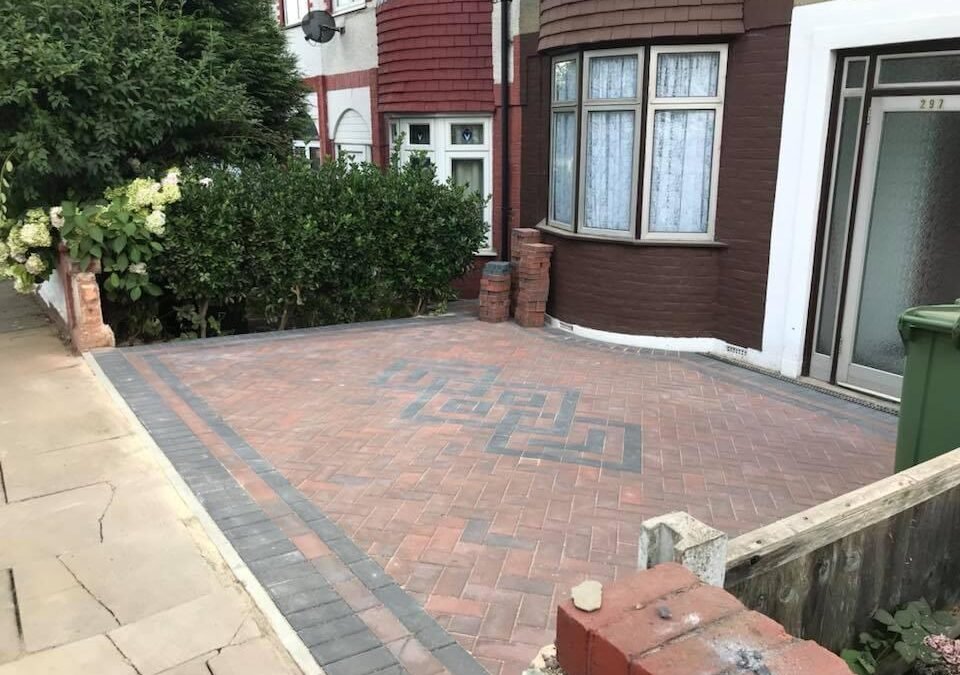
Choosing among paving contractors in Freehold comes down to more than picking the lowest bid, because a driveway or parking lot is a surface you will live with for 15 to 20 years and one that fails fast when the base work is rushed. This guide gives Freehold homeowners and business owners the practical numbers most contractor sites leave out: real 2026 New Jersey pricing, the best season to pave here in Monmouth County, when a township permit is required, and the exact checks that separate a reliable crew from a fly-by-night one. Read it before you approve a single quote, and you will negotiate from a position of knowledge.
Quick answer: what to expect from a Freehold paving contractor
A dependable paving contractor in Freehold should be a registered New Jersey Home Improvement Contractor carrying at least $500,000 in liability insurance, provide a written contract with a warranty, and pave with proper base preparation and drainage for our freeze-thaw climate. In 2026, expect a new asphalt driveway to run roughly $7 to $13 per square foot, with a typical two-car driveway landing around $3,500 to $5,500. The best choice pairs correct credentials with local track record, not just the cheapest price, because base and drainage shortcuts are invisible on day one and expensive by year three.
What paving contractors in Freehold charge in 2026
Most paving sites hide pricing, which leaves homeowners guessing and vulnerable to lowball quotes that skip the base. Here are realistic 2026 New Jersey ranges you can use to sanity-check any estimate. Treat them as planning figures, since your real price depends on size, condition, and drainage.
A new asphalt driveway generally runs about $7 to $13 per square foot, while a full replacement that includes tearing out the old surface runs closer to $8 to $15 per square foot. An overlay or resurfacing, which is only appropriate when the existing base is still stable, costs roughly $3 to $7 per square foot, about half the price of a full replacement. In whole-driveway terms, a two-car driveway of 400 to 600 square feet commonly falls between $3,500 and $5,500, and an 800 square foot replacement can run $6,400 to $12,000 depending on excavation and drainage.
Several add-ons move the number. Removing an old driveway adds about $1 to $2 per square foot. Municipal permits typically cost $150 to $500. Complex drainage work can add $1,000 to $3,000, and thicker asphalt, which is worth it for surfaces that carry heavy vehicles, adds $1 to $2 per square foot. New Jersey labor also runs above the national average, so a quote far below these ranges is usually a sign the contractor plans to thin the base or skip prep. For an independent national benchmark, see this asphalt paving cost guide from HomeAdvisor. You can review our own driveway options on the blacktop driveways and asphalt paving pages.
Why paving in Freehold is different from a generic quote
Freehold sits in the center of Monmouth County, where Freehold Borough serves as the county seat and Freehold Township wraps around it along the Route 9, Route 33, and Route 537 corridors. It is a busy mix of established residential streets, downtown commercial frontage, and high-traffic retail near the Freehold Raceway Mall. Two local conditions shape every paving job here: dense, clay-heavy soil that holds water, and a full four-season climate with repeated freeze-thaw cycles from December through March.
Those conditions decide whether asphalt lasts. Water that collects under or beside a driveway and then freezes expands, and over a few winters that pressure cracks the surface, opens potholes, and heaves the edges. A contractor who knows Freehold grades the surface so water runs off, compacts a proper stone base below the frost line, and lays adequate asphalt thickness. A crew pulling a one-size quote from another region often trims those steps to win the bid, which is exactly why so many local driveways fail early. Local knowledge is the difference between a surface that looks good on install day and one that still looks good well into the 2040s. Our own take on why installation quality drives longevity is covered in this related post on quality workmanship for driveways and masonry in Freehold.
The best time of year to pave in Freehold
Asphalt needs warmth to compact and cure correctly. The ideal paving temperature is around 70 degrees Fahrenheit, which makes spring through fall the working season in Freehold. Paving in cold weather risks poor compaction and a surface that ravels or cracks early, so quality contractors pause or limit asphalt work through the deep winter months.
Because the window is seasonal, demand stacks up. The busiest stretch runs from late spring into early fall, and the best crews book out weeks ahead during peak months. If you want your project done on your schedule rather than squeezed into a gap, plan early and get on the calendar before the summer rush. Seal coating, which protects a finished driveway, is best applied to fully cured asphalt in warm, dry conditions, and we cover that on our repairs and seal coating page.
Do you need a permit to pave a driveway in Freehold?
Permit rules depend on the scope of work and whether the project touches the public right of way. Resurfacing an existing driveway within its current footprint often does not require a permit, but expanding a driveway, changing its grade or drainage, adding a new curb cut, or any work in the sidewalk or right of way generally does require approval from the township. New Jersey municipalities also regulate how stormwater runoff is handled, which is why drainage matters legally as well as structurally.
A professional paving contractor will know when your specific project needs a permit and will either pull it or guide you through the township process rather than skipping it, which protects you at resale and avoids stop-work orders. When in doubt, confirm the current requirements directly with the Freehold Township offices or your borough construction office before work begins. A contractor who waves off permits on work that clearly needs one is a warning sign, not a convenience.
How to vet paving contractors in Freehold before you hire
New Jersey does not issue a separate paving trade license, so verification falls to you. Any business doing residential paving must register as a Home Improvement Contractor with the New Jersey Division of Consumer Affairs under the Home Improvement Practices Act. That registration is your baseline that a contractor is operating legally.
Before you sign, confirm four things. Ask for the contractor’s NJ Home Improvement Contractor registration number and verify it with the state. Request a certificate of insurance showing at least $500,000 in general liability plus workers’ compensation, so an on-site injury is not your problem. Insist on a written contract, which New Jersey law requires for home improvement jobs over $500, listing total price, payment schedule, materials, asphalt thickness, start and completion dates, and warranty terms. And ask to see local driveways or lots the crew paved several years ago, because the true test of paving is how it looks after a few winters, not the week it was laid. You can verify any registration through the New Jersey Division of Consumer Affairs.
Aggregators, out-of-town crews, and local specialists compared
When you search for paving contractors in Freehold, much of the first page is directory sites like Yelp and Yellow Pages. These aggregators list dozens of names but verify very little; many of the businesses shown are based in neighboring towns such as Columbus, Monroe, or Bayville rather than Freehold, and few confirm licensing. They are a source of names to research, not a vetting tool.
The next tier is large regional paving firms that cover several counties from a distant base. They can do fine work, but a crew traveling far to your job has less incentive to return for a warranty callback and less familiarity with Freehold soil, drainage patterns, and permitting. A focused local contractor who paves these neighborhoods regularly tends to offer faster estimates, tighter accountability, and genuine knowledge of what holds up in this climate. The smart choice is not the biggest brand or the lowest line item, but the contractor who combines proper credentials, a local track record, and a clear written plan.
Why Allstone Home Improvements is a trusted choice in Freehold
Allstone Home Improvements is a New Jersey based paving and masonry contractor serving Freehold and the surrounding Monmouth and Middlesex County towns, operating out of 1084 Stelton Road, Piscataway. We built our reputation on the exact standards this guide asks you to demand from any paver.
Every project starts with an on-site walk and a written scope, so you know the price, the asphalt thickness, and the timeline before work begins. We build drainage and proper base preparation into every driveway and lot, because we live with the same freeze-thaw winters you do and would rather do it right once than return to patch heaving and cracks. We handle residential driveways, commercial parking lots, resurfacing, repairs, and seal coating, and we back our workmanship with a clear warranty. You can see finished local work in our project gallery, read what customers say on our customer reviews page, explore our full Freehold service range on the Freehold paving and masonry page, and reach us any time through our contact page for a free estimate. We think the right contractor earns trust with credentials and results, and we are glad to prove ours.
Commercial paving and parking lots in Freehold
Freehold’s retail and commercial corridors put heavy, constant demand on pavement, and a worn or pitted lot costs a business in both safety liability and first impressions. Commercial paving differs from residential work in scale and specification: it needs thicker asphalt to carry vehicle loads, engineered drainage to move stormwater off the surface, and proper line striping and ADA-compliant layout to keep the lot safe and legal. Sealing and timely crack repair then extend the life of that investment for years.
Whether you manage a storefront near downtown Freehold or a larger lot along the highway corridors, matching the specification to the traffic is what protects the surface. Our parking lots and concrete paving pages explain how we scope commercial projects for durability rather than for the lowest short-term bid.
Frequently asked questions
How much do paving contractors in Freehold charge?
In 2026, a new asphalt driveway in New Jersey generally runs about $7 to $13 per square foot, and a full replacement runs $8 to $15. A typical two-car driveway of 400 to 600 square feet commonly costs $3,500 to $5,500. Resurfacing an existing driveway with a stable base is cheaper at roughly $3 to $7 per square foot. Always get a written estimate, since drainage and removal add cost.
What is the best time of year to pave a driveway in Freehold?
Spring through fall is best, because asphalt needs warmth to compact and cure, ideally around 70 degrees Fahrenheit. Paving in the deep winter risks poor compaction and early cracking, so quality contractors limit asphalt work in cold months. Demand peaks in summer, so book early to secure your preferred schedule rather than waiting for a gap in the season.
How long does an asphalt driveway last in New Jersey?
A properly installed asphalt driveway in New Jersey typically lasts 15 to 20 years when the base is done right and the surface is sealed and maintained. Freeze-thaw cycles and standing water are the main enemies, so drainage, adequate thickness, and periodic seal coating are what preserve the surface. Skimping on the base is the most common reason a driveway fails early.
Do I need a permit to pave my driveway in Freehold?
It depends on the scope. Resurfacing within the existing footprint often does not require a permit, but expanding the driveway, changing its grade or drainage, adding a curb cut, or any work in the sidewalk or public right of way generally does. A professional contractor will confirm what your project needs and handle the township permitting rather than skipping it.
Should I resurface or fully replace my driveway?
Resurfacing, or an overlay, works only when the existing base is stable and the damage is limited to the surface, and it costs about half of a full replacement. If you have major cracking, potholes, base failure, substantial settling, or drainage problems, a full replacement is the lasting fix. A contractor should inspect the base before recommending either path rather than defaulting to the cheaper option.
Do paving contractors in New Jersey need a license?
New Jersey does not issue a separate paving trade license, but any business doing residential paving must register as a Home Improvement Contractor with the New Jersey Division of Consumer Affairs. They must carry at least $500,000 in general liability insurance and use a written contract for jobs over $500. Always verify the registration number before hiring.
Why is my new driveway cracking already?
Early cracking almost always traces to the base, not the asphalt itself. An inadequate stone base, poor compaction, missing drainage, or asphalt laid too thin or in cold weather will crack within a few winters as water freezes and expands beneath it. This is why proper site preparation and drainage matter far more than a slightly cheaper quote that skips them.
How long does it take to pave a driveway?
Most residential driveways are paved in one to two days, with tear-out and base work on the first day and the asphalt laid and compacted after. Larger jobs, commercial lots, or projects needing significant drainage or grading take longer. Your contractor should give you a written start and completion date in the contract so the timeline is clear before work begins.
Can you drive on a new asphalt driveway right away?
No. New asphalt should be kept free of vehicle traffic for at least 24 to 72 hours, and heavy vehicles longer, while it cools and sets. Full curing continues for several weeks, during which you should avoid parking in the same spot repeatedly and turning wheels while stopped. Your contractor should give you specific aftercare instructions for the weather at install time.
Ready to start your Freehold paving project?
Whether you are replacing a cracked driveway, resurfacing a lot that has seen better winters, or paving a commercial space that needs to look sharp and stay safe, the contractor you pick decides whether this is a one-time investment or a recurring repair bill. Allstone Home Improvements brings local Monmouth County knowledge, proper licensing and insurance, and a written, warranty-backed plan to every Freehold project. Reach out through our contact page for a free, no-pressure estimate, and let us show you paving built to last.